



Safe Horse Racing: Why We Must Prioritize Safety Above All
Horse racing has long been revered as a thrilling sport, capturing the hearts of millions around the world. However, the inherent risks associated with this sport cannot be downplayed. To ensure the safety of both equine athletes and their human counterparts, we must advocate for stringent safety measures and practices. By understanding the critical aspects of horse racing safety, we can contribute to a more secure and humane environment. It’s essential to push for changes that prioritize these concerns. For more information on equine safety practices, visit Safe Horse Racing Not On Gamstop https://www.porphyrios.co.uk.
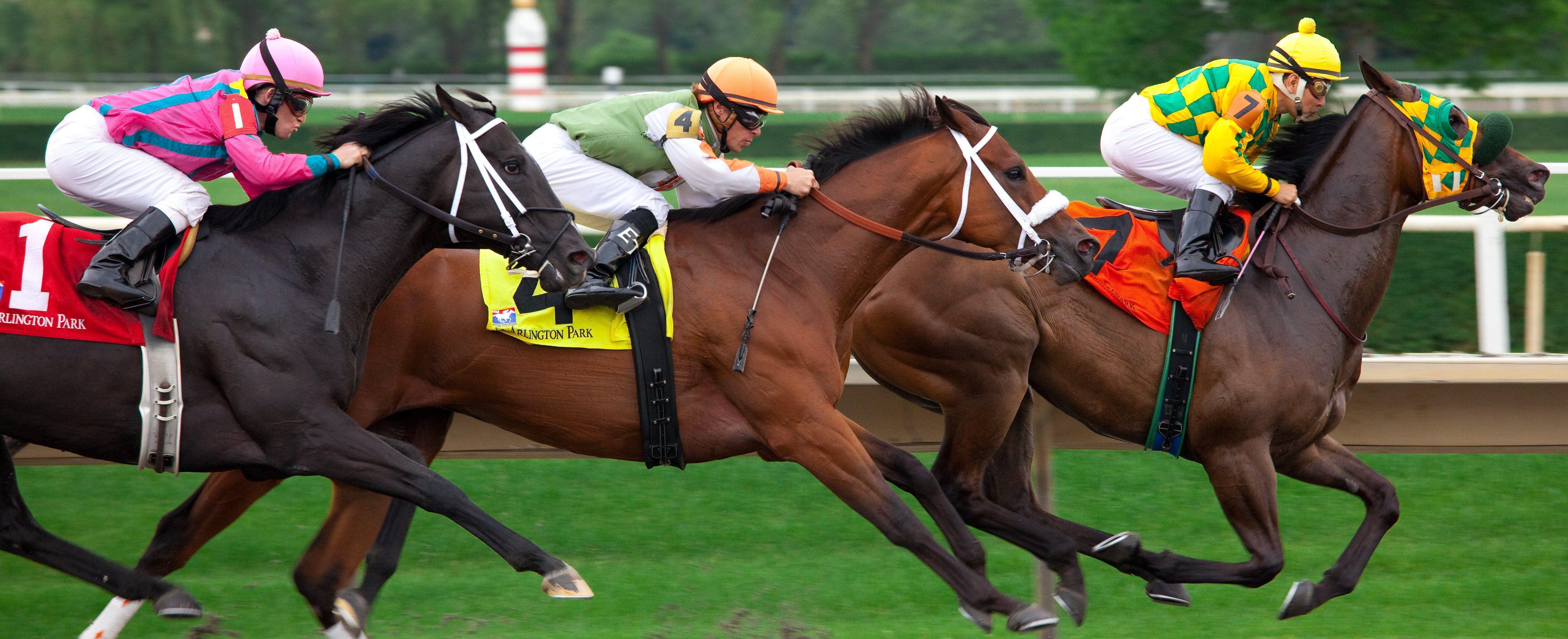
The Stakes of Horse Racing
Horse racing, often referred to as the “Sport of Kings,” attracts both casual fans and serious bettors. However, gambling and the desire for victory can sometimes overshadow the necessity of prioritizing safety within the sport. An alarming number of incidents can occur, from injuries to both horses and riders to fatalities, which raise ethical concerns about the treatment of racehorses and the overall risk associated with the sport.
Understanding the Risks
Injuries in horse racing can stem from various factors including track conditions, horse fitness levels, and even equipment used during races. Sprains, fractures, and other serious injuries can occur during a race, and this is a significant issue that needs immediate attention. The failure to address these risks not only endangers the lives of the horses but also risks the well-being of jockeys and trainers.
Current Safety Measures
Over the years, various governing bodies and organizations have introduced safety protocols aimed at minimizing injuries. These include:
- Pre-race veterinary examinations: Ensuring every horse is healthy and fit to race.
- Regular track maintenance: Keeping the racing surface in optimal condition to reduce slips and falls.
- Education and training for jockeys: Providing thorough training on safety measures and emergency procedures.
- Use of technology: Implementing data monitoring systems to track a horse’s health and performance over time.
The Role of Technology in Enhancing Safety
With advancements in technology, there are new tools available that can significantly impact safety measures in horse racing. For instance, wearable technology can monitor a horse’s vital signs and alert trainers if something seems amiss. This proactive approach to horse health can be pivotal in preventing injuries before they occur. Such technology is vital for ensuring horses are not overexerted or put at risk of injury.
Ethical Considerations
The ethical debate surrounding horse racing encompasses a variety of issues, including the treatment of horses, their welfare during and after their racing careers, and the voice of animal rights organizations. Advocates have called for stricter reg

ulations regarding the treatment and training of racehorses, and for thorough investigations into any incidents that result in injuries or fatalities.
Changing the Culture of Horse Racing
To foster a culture that emphasizes safety, both within the racing community and among its supporters, we need to engage everyone involved—from owners and trainers to fans and betters—in discussions about the importance of prioritizing horse and jockey well-being above monetary gains.
Future Directions for Safety in Horse Racing
Moving forward, the horse racing industry must adopt a more comprehensive and unified approach to safety. This can include:
- Regular reviews of safety protocols: Ensuring that safety measures are current and effective.
- Increased funding for safety measures: Investing more money into ensuring safe racing environments.
- Promoting responsible gambling: Emphasizing the enjoyment of the sport over betting wins.
- Community involvement: Encouraging fans to advocate for safer practices, creating pressure from the audience for better safety standards.
Conclusion
In conclusion, safe horse racing should not just be a goal but a fundamental principle embraced by everyone involved in the sport. By putting safety at the forefront, the racing community can preserve the integrity of this beloved sport while ensuring the welfare of its main participants. The thrill of horse racing is undeniable, but it should never come at the cost of safety—an aspect that must remain an essential priority for the future.